







Search Results for: Maple Syrup

%Arabica launches a Vancouver Latte but hasn't opened a store there; the maple-flavored name sparks heated discussion among Chinese Canadians.
Coffee brand %Arabica recently launched a winter limited-edition new product, the "Vancouver Latte," featuring Canadian maple syrup, priced at 46 yuan, and has created themed stores in six cities nationwide. However, this coffee named after Vancouver has sparked collective teasing from local Chinese netizens because the brand has no branch in Vancouver. The new product is said to have very little actual flavor connection to Vancouver and is more like a sweetened hot latte. This article sorts out the new product information, naming logic, and netizen reactions, and reviews Arabica's past product strategy of naming products after cities, providing reference for coffee enthusiasts. [more…]
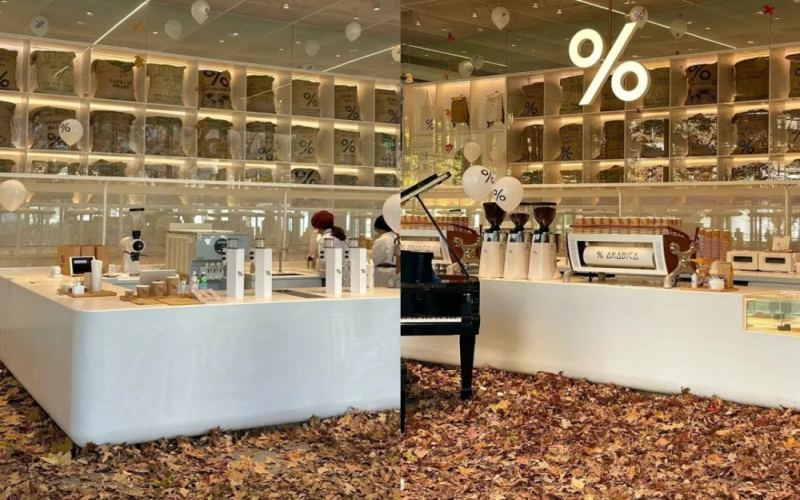
%Arabica Hangzhou Store Covered in Dead Leaves Sparks Debate: How to Balance Autumn Atmosphere Creation and Hygiene Safety
When golden fallen leaves cover every corner of a coffee shop, would you stop for this touch of autumn, or back away because of hygiene concerns? Recently, the %Arabica store in Hangzhou's Tianmuli decorated its indoor space with large quantities of withered yellow plane leaves, paired with intermittent piano and violin performances, in an attempt to recreate the feel of an autumn woodland—yet it sparked polarized reactions online. Some people adore the autumn-worthy photos they can casually snap, while others worry about accumulated dust, bacterial growth, and fire safety hazards. Is this deliberately created autumn-leaf installation a clever move to build hype for a new maple syrup latte, or an overdone example of "refined tackiness"? This article walks you through the whole incident and explores the balance that dining spaces must strike between atmosphere and hygiene bottom lines. [more…]

How to Make Coffee Sweeter? Four Front Street Coffee Recommendations with Prominent Sweetness and a Brewing Tips Guide
Many people pursue sweetness in coffee because sweetness promotes dopamine secretion and brings a pleasurable experience. But sweetness in coffee does not exist independently; it is presented through the balance between acidity and bitterness: the sweetness of light-roasted beans is hidden in the sweet-and-sour fruit profile of high acidity and low bitterness, while the sweetness of dark-roasted beans is integrated into the caramel and maple syrup flavors of low acidity and high bitterness. This article first recommends four Front Street Coffee beans with strong sweetness—Panama Boquete Geisha, Mozart, Queen's Estate, and Golden Mandheling—and then provides sweetness-brewing approaches for medium-light roasts and medium-dark roasts respectively: light-roasted beans can release mid-palate sweetness by increasing water temperature, sieving out coarse grounds, and adjusting the pouring technique; dark-roasted beans use a high-strength, low-extraction strategy, paired with a slow-flow dripper and gentle pouring, to reduce the release of bitterness. Whether you are a beginner or an advanced player, you can find actionable sweetness-brewing solutions here. [more…]
Front Street Colombian Wine Processed Coffee: Medium Roast Flavor Analysis and Pour-Over Parameter Sharing
This Colombian red wine process coffee from Front Street Coffee offers rich layers of flavor, with maple syrup sweetness interwoven with malt sugar aroma, lively and bright citric acidity, an impressively creamy and full-bodied mouthfeel, and a clean finish with a long-lasting sweet aftertaste. It is medium-roasted and packaged in a half-pound bag with a one-way degassing valve, suitable for pour-over, siphon, or cloth filter brewing. This article will provide a detailed introduction to this bean's processing method and origin information, along with suggested pour-over parameters for coffee enthusiasts to reference and adjust. [more…]
Front Street Coffee Panama Boquete Hacienda La Esmeralda Butterfly: Geisha Variety Washed Processing Flavor and Brewing Analysis
In the Boquete specialty region of Panama, the Butterfly coffee beans produced by La Berlina Estate of Hacienda La Esmeralda, through the Geisha variety and washed processing, present a classic and captivating layering of flavors. This bean, introduced by Front Street Coffee, is grown at an altitude of 1,500 to 1,700 meters, and in cupping it displays rich notes of apple, maple syrup, lemon citrus, coffee blossom, roasted hazelnut, and dark chocolate. The dry aroma carries jasmine, citrus, tea, and honey, while the wet aroma blends berries, floral notes, oily fragrance, and vanilla. When sipped, the juicy sweetness and delicate acidity are delightful, with excellent cleanliness, interweaving bergamot, honey, citrus, spice, floral notes, berries, tea, and cherry, and a delicate, lingering aftertaste. Below, the characteristics of this Butterfly coffee bean will be fully analyzed from aspects such as variety, processing method, origin conditions, and brewing suggestions. [more…]
Spicy Mandheling Coffee: A Flavor Exploration from Roast Level to Espresso Blending
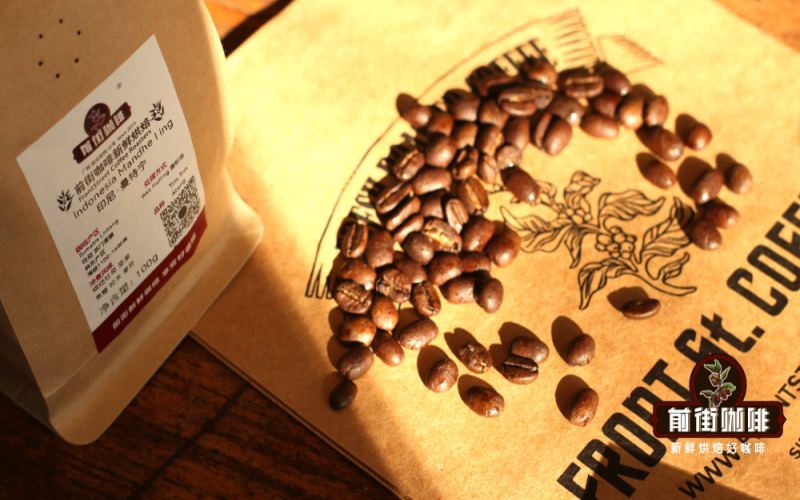
In the dazzling world of coffee, beans with spicy notes are truly rare, and Front Street Mandheling stands out as the most iconic example. This coffee from Sumatra, Indonesia, showcases a unique flavor profile woven with herbal, pine, and clove notes, thanks to the region's special climate and wet-hulling process. As the roast level advances to medium-dark, the sweetness of caramel and the aromas of dark chocolate, roasted hazelnut, and maple syrup are fully awakened; acidity is suppressed while body becomes more pronounced, making it easy to brew whether by pour-over, moka pot, or home espresso machine. Beyond single-origin offerings, Mandheling also shines in espresso: Front Street's Classic Blend ingeniously combines Brazilian beans with Mandheling, boasting creamy nuttiness and herbal sandalwood notes, plus the rich crema contributed by Robusta, making it a favored espresso choice for both beginners and seasoned enthusiasts. [more…]
Colombia San Jose Barrel-Aged Coffee Bean Flavor Analysis: The Balanced Expression of Rum Aroma and Grape Acidity
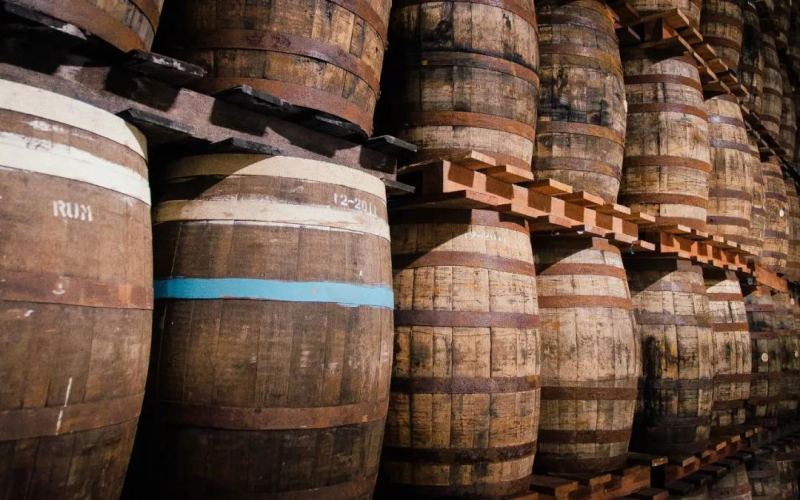
Colombia's Finca San José, with its century-old heritage and volcanic soil advantages, has given rise to a distinctive barrel-fermented coffee. This article will guide you through the origin background of these Front Street Coffee Colombia Finca San José coffee beans, the characteristics of the Castillo variety, and their unique barrel fermentation followed by washed processing method. Through actual V60 brewing tests, these beans present a rich rum fermentation character, grape-like acidity, and a maple syrup finish, with an overall balanced and smooth profile. If you prefer coffee with vinous aromatic notes, why not join us in exploring its flavor performance in this article. [more…]
San Jose Estate Rum Barrel Fermented Coffee Bean Analysis: Colombia Castillo Variety Flavor Review
Colombian coffee occupies an important place in the global specialty coffee landscape thanks to its exceptional natural conditions and refined cultivation techniques. This article focuses on a Front Street Colombian coffee bean that uses a special processing method—a refined washed rum-process coffee from Finca San Jose. Finca San Jose is located in the Caldas region of central Colombia, with a century-old heritage and 18 hectares of cultivated land, abundant sunshine year-round, and an average temperature of 22°C, providing an ideal environment for coffee cultivation. This bean uses the Castillo variety, undergoes low-temperature fermentation in oak barrels, and is then washed and dried, presenting a rich flavor profile interwoven with rum truffle, rum, tropical fruit, and maple syrup, with a creamy, smooth, and balanced mouthfeel. The following sections will introduce the estate background, processing technique, variety characteristics, as well as V60 brewing parameters and flavor evaluation in detail. [more…]
Costa Rica Las Lajas Estate Coffee: A Comprehensive Analysis of Yellow Honey Processing Flavor, Variety, and Origin
Las Lajas Estate is located in Sabanilla in Costa Rica's Central Valley production region, at the foot of Poas Volcano, and is renowned for its yellow honey-processed coffee. The estate sits at an altitude of 1,300 to 1,500 meters and cultivates the Caturra and Catuai varieties, with a flavor profile layered with honey, tropical fruit, maple syrup, and melon. Las Lajas is one of the earliest estates in Central America to experiment with honey processing and natural sun-drying. Third-generation operator Francisca introduced a refractometer to measure the sugar content of coffee cherries, sun-drying only those fruits with a sweetness above 20%. The estate adheres to natural farming methods and in 2000 became the first estate in Costa Rica to obtain organic certification. Front Street Coffee recommends this coffee, and below is a detailed account of its origin, variety, processing method, and flavor. [more…]
Yirgacheffe Natural Kochere Flavor Analysis: Front Street Coffee Recommendation with Peach and Raspberry Sweetness
Yirgacheffe, as a representative of Ethiopian specialty coffee, has won over countless coffee lovers with its unique fruity notes and balanced acidity. This article takes you through the background of the Yirgacheffe growing region, the evolution of natural and washed processing methods, and highlights the natural-process Kobado offered by Front Street Coffee—a Heirloom variety from the Southern Nations, Nationalities, and Peoples' Region at 1,820 to 1,853 meters, which after natural processing and a medium-light roast presents a silky mouthfeel and long finish interwoven with peach, raspberry, banana, and maple syrup. Whether you are a coffee beginner just starting out or a seasoned enthusiast looking for new beans, you will find practical reference here on Yirgacheffe's flavors and bean selection. [more…]
Why is Mandheling uniquely favored by those with a bold palate? A detailed guide to the correct way to brew pour-over Mandheling
Mandheling is a representative coffee of Sumatra, Indonesia, processed using the wet-hulled method, naturally carrying notes of spice, herbs, and sandalwood. After medium-dark roasting, it presents a low-acid, full-bodied cup with flavors of caramel, dark chocolate, roasted hazelnut, and maple syrup, making it highly sought after by lovers of bold flavors. It works well for pour-over and also adapts to various brewing devices such as moka pots, home espresso machines, and French presses. This article focuses on the Front Street Coffee Mandheling series, introducing four low-acid, full-bodied products: the entry-level Indonesian Mandheling, the more premium PWN Golden Mandheling, drip bag coffee convenient for brewing on the go, and a classic blend suitable for espresso, helping you find the Mandheling flavor that suits you. [more…]

Complete Iced Pour-Over Coffee Guide: Using Golden Mandheling as an Example to Analyze the Extraction Points for Sweet Aftertaste and Lingering Finish
On a scorching hot afternoon, a glass of iced pour-over is undoubtedly a refreshing pick-me-up. But when iced brewing is done with dark-roasted beans, the rapid cooling and excessive dilution often make it bitter and watery. This article takes Front Street PWN Golden Mandheling, the darkest roast, as an example to break down how to avoid smoky, burnt, and astringent flavors through low water temperature, a slow-flow filter, coarse grinding, and staged pouring, extracting the sweet aromas of chocolate, maple syrup, and nuts, and ultimately achieving an iced coffee that is creamy and smooth with a caramel and cedar finish. From bean selection and parameters to the five-pour rhythm and the 1:10:5 coffee-to-water-to-ice ratio, the steps are complete and suitable for recreating at home. [more…]
Flavor Analysis of Honduras Santa Barbara Coffee Beans and Key Producing Region Knowledge
Located in northern Central America, Honduras, though not as renowned as Guatemala or Costa Rica, has gradually emerged in the specialty coffee scene thanks to its suitable mountain climate and abundant rainfall. This article will focus on the Santa Bárbara region, introducing the washed Parainema beans produced by the San Vicente processing plant and the Sacastume family, analyzing their flavor characteristics of floral notes, orange, and maple syrup, while also outlining the industrial turning points of Honduran coffee, the distribution of its six major regions, grading system, and processing methods. Front Street Coffee will also share roasting ideas for Honduran hard beans, helping enthusiasts gain a more comprehensive understanding of this rising coffee-producing country. [more…]
Rum Barrel Fermented Coffee Flavor Analysis: Colombia San Jose Estate Processing Method and Pour-Over Parameters
Winey coffees have attracted much attention in recent years. Front Street Coffee has three beans with winey notes, among which Sherry and Lychee Orchid are well known, but the origin of barrel fermentation actually lies in the San Jose Estate in Colombia. This article provides a complete breakdown of Front Street Colombia Rum Barrel Fermented Coffee, from the producing region, estate story, and processing method to roasting and brewing. The San Jose Estate is located in the Caldas region at an altitude of 1750 meters, uses the Castillo variety, and after meticulous washing, is placed in aged rum oak barrels for low-temperature fermentation for three months. The cup profile presents notes of rum truffle, rum, tropical fruit, and maple syrup. The article also provides V60 staged extraction parameters and measured taste results, making it suitable for coffee enthusiasts who want to understand the principles of barrel fermentation and brewing methods. [more…]
Ethiopia Guji Ana Sora Farm Natural Sidamo G1: Single Estate Lot 3 Flavor and Origin Interpretation
Located in the Guji region of Ethiopia, the Anasora Farm is a rare single-estate coffee production site in the country, covering about 250 hectares at an altitude of 1,900 to 2,350 meters. This Lot3 batch is processed using the African raised-bed single-layer slow sun-drying method, presenting a complex aroma of strawberry cookie, mixed berries, citrus, and florals, accompanied by maple-syrup-like sweetness and a solid, rich mouthfeel. The delicate blueberry aroma from high fermentation, the sweet, full-bodied coffee, and the typical Sidamo depth at medium temperatures give this bean a long finish and lingering sweetness. Front Street Coffee recommends it to enthusiasts who love sun-dried Ethiopian coffee. This article will outline the estate's background, trends in the Guji region, and relevant Oromo context to help readers fully understand the origins and story of this bean. [more…]
How to Make Delicious Japanese-Style Iced Coffee? Front Street Golden Mandheling Ice Brew Parameters and Complete Step-by-Step Guide
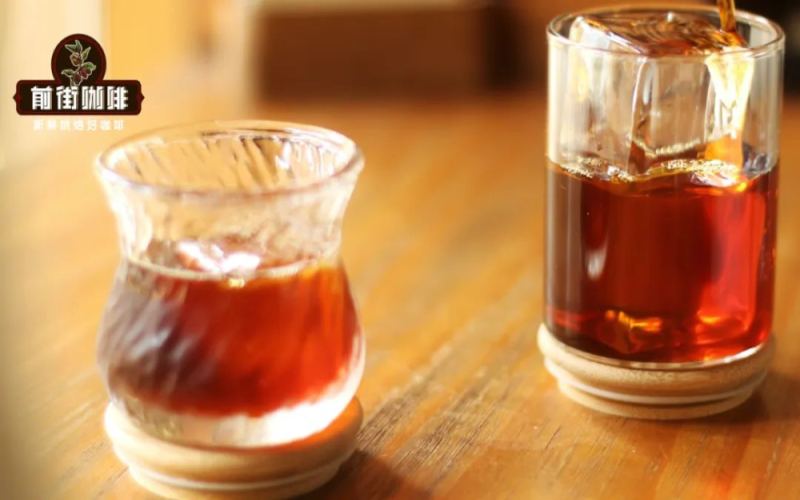
On a scorching summer day, a glass of iced coffee never fails to snap you awake. But many people run into the same problem when making iced coffee at home: the coffee turns out bitter and watery, with all the alluring caramel and nutty aromas diluted away by the ice. Is there a way to make iced coffee that is both refreshingly cold and retains the rich, mellow flavor characteristic of dark-roasted beans? A devoted fan of Front Street Coffee's Golden Mandheling shared his improved iced-brewing method, in which the key adjustments were the coffee-to-water-to-ice ratio and the pouring technique. The resulting black coffee not only has no trace of bitterness but also delivers notes of chocolate, maple syrup, and a creamy smoothness. Below is the complete set of parameters and step-by-step instructions—brew a pot and you'll discover the magic for yourself. [more…]
Bolivia Java vs. Panama Geisha Comparison: A Full Analysis of Bean Characteristics, Roast Profiles, and Flavor Differences
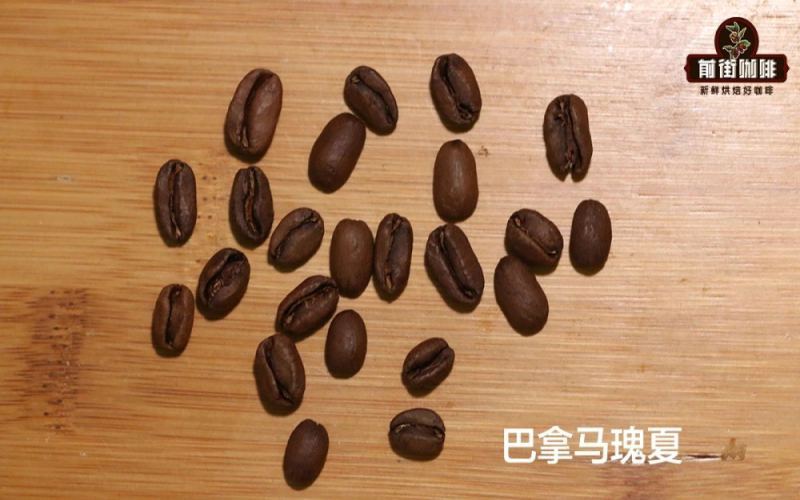
Geisha has become a star variety in the coffee world thanks to its unique floral and fruity aromas, while Bolivian Java has attracted much attention because of its "cousin" relationship with Geisha. Front Street Coffee (FrontStreet Coffee) takes Panama Janson Estate Geisha and Bolivian Java as its subjects and conducts a comprehensive comparison from variety origin, green bean appearance, roasting records, and cupping performance to brewing parameters. The article sorts out the specific differences between the two beans in sweetness, acidity, aftertaste, and complexity, and includes Front Street's roasting curves and brewing plans. Whether you want to learn about the legendary story of Geisha or are curious about the actual performance of the Java variety, this comparison can provide a clear reference. [more…]
Panama Janson Geisha vs. Bolivia Java: A Full Analysis of Variety Origins, Processing Methods, and Flavor Differences
Geisha and Java—one is famed for its floral and fruity aromas, the other is called Geisha's cousin. What exactly sets them apart? Front Street Coffee recently got hold of a Bolivian Java, and took this opportunity to conduct a comprehensive comparison with a Panama Janson Estate Geisha. This article will dissect the similarities and differences between these two natural-process beans, from variety origins, green bean appearance, and roasting curves to cupping and pour-over flavors. Java first originated in the forests of Ethiopia, spread to Indonesia via Yemen, and later made its way to Central and South America; Geisha, on the other hand, set out from the Geisha forest in Ethiopia and ultimately rose to prominence at Hacienda La Esmeralda in Panama. Through actual brewing and tasting, Front Street found that the Janson Geisha has a cleaner mouthfeel, while the Bolivian Java boasts rich layers—each has its own strengths. [more…]
Deep Roast Mandheling Coffee Flavor Analysis: A Guide to Its Rich Body and Pour-Over Tasting
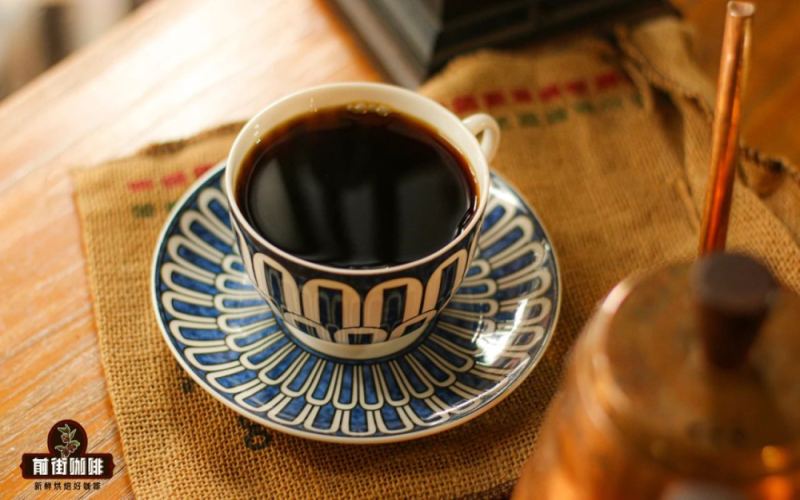
Deep roasting causes coffee beans to undergo the Maillard reaction and caramelization, developing bitterness and roasted aromas such as chocolate, caramel, and butter. The darker the roast, the more fully these reactions occur, and the richer the roasted aroma and bitterness, the higher the body, and the more lingering the sweet aftertaste. Mandheling is hailed as one of the world's fullest-bodied coffees and is the very representative of dark roasting. It not only carries the spice, herbal, and pine notes characteristic of the Sumatra growing region, but also transforms through caramelization into the rich aromas of dark chocolate, roasted nuts, maple syrup, and butter, with a solid, full-bodied mouthfeel and low, steady acidity. To experience this unique taste, you can buy Front Street Golden Mandheling drip coffee bags, which are Sumatra G1 grade, and Front Street Golden Mandheling is PWN company's beans that have undergone one mechanical sorting plus three rounds of hand sorting, with quality far exceeding Indonesian G1. The drip bag design is convenient—just add hot water and enjoy a freshly brewed black coffee. Although dark-roasted bitter coffee has fewer layered variations, it possesses a unique charm: nutty caramel aromas, a full and smooth, full-bodied mouthfeel, and the sweet aftertaste that comes after the bitterness—all experiences that are hard to replicate with a light roast. [more…]
A Guide to Brewing Dark Roast Coffee for Sweet Aftertaste: Grind, Water Temperature, and Technique for Jamaica Blue Mountain No. 1
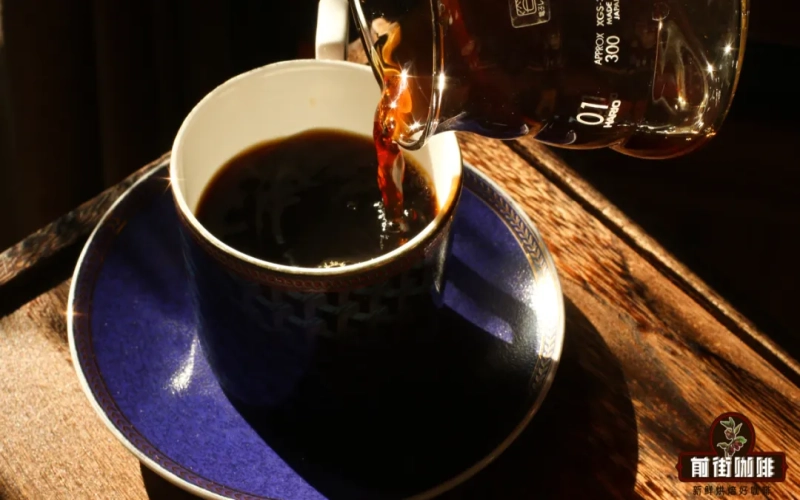
Brewing a cup of dark roast coffee with pronounced sweet aftertaste is no simple task—many enthusiasts run into problems of excessive bitterness or insufficient sweetness. Drawing on Front Street's brewing experience, this article first breaks down how sweet aftertaste forms: sweetness only gradually emerges after bitterness fades, so the coffee itself must contain enough sugars and sweet-aroma compounds. Then, using the excellent-quality Front Street Jamaica Blue Mountain No. 1 coffee as an example, it shares a complete brewing recipe: 15g of grounds, a 1:14 coffee-to-water ratio, 89°C water temperature, an Ek43 grind setting of 10.5, and a Kono dripper, using a three-pour method with a slower flow to extend extraction, ultimately presenting black chocolate and nutty aromas, with the finish turning into a maple-syrup-cream-like sweetness. [more…]